Director of the Decade: Steven Soderbergh
After a great deal of discussion on our bests of the decade podcast, we are finally ready to let you in on our director of the decade: Steven Soderbergh. He won an Oscar, made a slew of successful films while keeping his arthouse street cred, legitimized the RED Camera, and pretty much just blew everyone out of the water in the last ten years. But don’t take my word for it, Sunrise provided a great writeup of the man and his decade. Let us know in the comments if you think we chose wisely (or not).
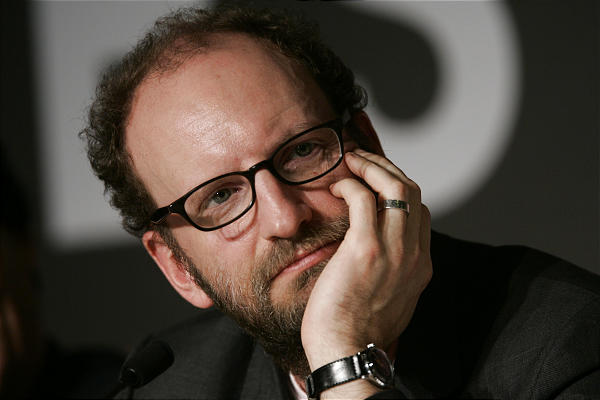
Steven Soderbergh
The way in which Steven Soderbergh starts off this decade is with such veracity and force with Traffic and Erin Brochovich, it is a wonder that he not only maintains such consistency towards the end, but implements a fascinating success that is important not only for him as an artist, but for us as an audience.
Leaving the nineties as a “Sundance” poster boy with questionable box office draw, he made a sudden turn with 1998’s Out of Sight and opened the decade with winning one of two Best Director nominations, to which only Michael Curtiz’s 1938 double nomination loss comes close in comparison. While Curtiz was just as much of a workhorse, what makes Soderbergh’s nomination so amazing is the metaphoric weight of self-challenge it represents. This challenge, as it were, is extended beyond his own growth as an artist into the ever-growing challenges he places upon his peers and audience.
With the thunderous advance in technology, the accessibility of media has allowed for more consumption without the challenge directed toward its make and read. While cinematic history notes figures such as Jan-Luc Godard or Martin Scorsese pushing past previous cinematic limitations, not just through language and syntax, but from it’s preparation right through to reception, Soderbergh has been able to successfully propel American cinema into the digital/non-linear realm with the same vigor, enthusiasm and progressive attitude toward the possibilities. And while the Best Director Oscar is awarded one evening, his going right back to work on Ocean’s Eleven the following day suggests an allegiance to advancement rather than revelry in the successes of the day.
Securing his Ocean’s Eleven strategy successfully enacted theories of cinema’s past: simultaneous stature as a studio director and the experimental freedom suggested by previous studio/indie predecessor models Scorsese and Coppola. This balance of work has opened up the opportunity not to only deliver a meaningful punch through his experimental works (such as Full Frontal or Bubble) but such depth trickles back into his studio works and blurs the line between a “wide audience” film and “art-house” fare, so that The Good German or Ocean’s Thirteen is both and neither. What is so amazing about the ability of his films to stand out beyond these “terms” is that he has allowed modern American box-office cinema to finally stand on it’s legs as “art,” whether it’s opening to a substantial amount of money on opening day or not. What’s more, is that he expects you to interact and participate with any of his films in the same way, so that a political message is intrinsic to Che just as much as it is to the The Informant!.
Besides the audience participation challenge, implicit within the work is a drive to push narrative work into a dialog with other dominant American filmmakers. My favorite film of the decade, Ocean’s Twelve, implies a conversation with Tarantino, Shyamalan and amazingly Garry Marshall, in a manner less like homage and more like respectful challenge to “do one better.” This suggests a cinematic challenge among the masters that results in rapid artistic progression, bringing the real collaborative feel of his beloved sixties cinema! Such command he has to work with the quiet humble that allows any of his films to work without any such notice of these workings. That was the craftsman Curtiz would appreciate, while the artistic and progressive flourishes are what Scorsese can pat him on the back for.
These feats have allowed Soderbergh to confirm the man seen in his sex, lies and videotape Sundance win of 1989, a means of continual development that secures him as the new American cinema master in the likes of all the greats that persevere to push an art form ahead. Please check the updates for his current Aussie stage play Tot-Mom, or the future 3D “Cleopatra” musical- opus, that I’m sure will continue to evolve the media landscape in the manner appropriate for the “digital/non-linear” age.